Walk through almost any animal shelter and you will notice something: a large share of the dogs waiting for homes are pit bulls or pit bull mixes. Some have been there for months. Many are wonderful dogs. And the people who adopt them often say the same thing afterwards — they cannot believe their luck.
Why So Many Pit Bulls End Up in Shelters
Pit bulls fill shelters for reasons that have little to do with the dogs themselves. Breed restrictions in rented housing force families to give up beloved pets. Backyard breeding produces more puppies than there are homes. And the breed’s unfair reputation means pit bulls are adopted more slowly than other dogs, so they stay longer and their numbers build up.
The result is that shelters are full of pit bulls of every age and personality: goofy puppies, calm adults and gentle seniors, all waiting for someone to look past the label.
What Rescue Pit Bulls Are Really Like
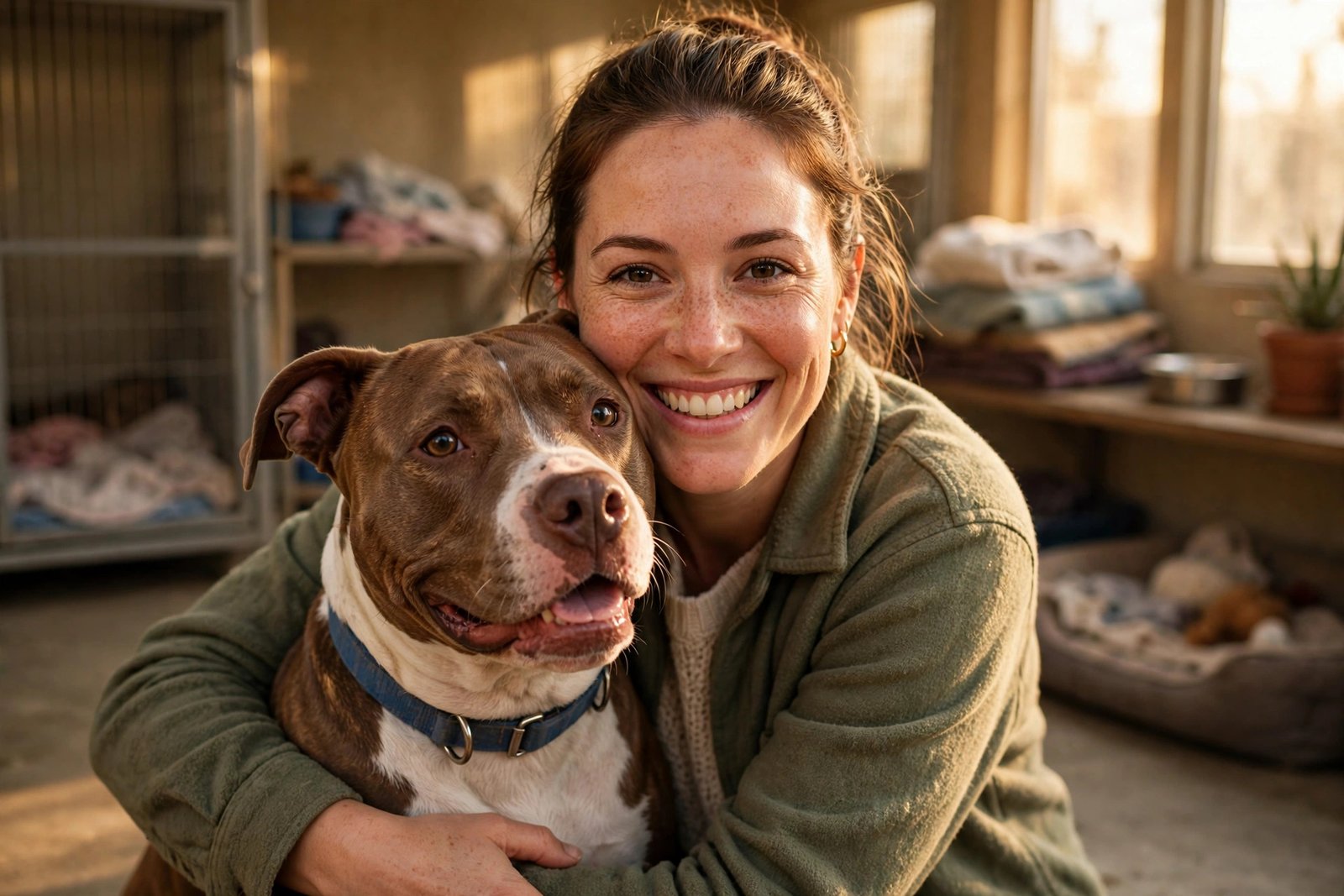
The stereotype says shelter pit bulls are damaged or dangerous. The reality is usually the opposite. Many rescue pit bulls are incredibly grateful, affectionate dogs that bond fiercely with their new families. Staff at shelters often describe them as the dogs that lean into you for cuddles, wag their whole bodies at visitors, and light up at the smallest kindness.
Rescue dogs do need patience. A dog that has lived in a kennel may not know house rules yet, may be nervous in a new home, or may need time to learn that it is safe. The first weeks can take adjustment — but that is true of any rescue dog, and the payoff is a bond that feels especially deep.
The Advantage of Adopting an Adult
Puppies are adorable, but adopting an adult pit bull has real advantages. What you see is what you get: the dog’s size, temperament and energy level are already clear. Shelter staff can usually tell you whether the dog likes children, other dogs or cats, and whether it is calm or high-energy.
Adult dogs are also often already house-trained, past the destructive chewing stage, and ready to settle into family life. For first-time owners, that can make the whole experience much easier.
How to Adopt Well
Start by visiting your local shelter and talking honestly about your lifestyle: your home, your schedule, your experience and who else lives with you. Good shelters will help you find a match rather than just handing over any dog.
Ask about the dog’s history, health and behaviour assessment. Take the dog for a walk, spend time with it, and if you have other pets or children, arrange a proper introduction. Many shelters offer trial periods or foster-to-adopt, which let everyone be sure it is the right fit.
Once home, give your new dog time. The first days can be overwhelming, and some dogs take weeks to fully relax. Keep routines steady, be patient with accidents or nerves, and use positive training from day one.
A Second Chance That Changes Two Lives
Adopting a rescued pit bull does not just save a life — it often changes the adopter’s life too. Pit bull adopters talk about a loyalty and affection that is hard to describe until you have lived with it: a dog that follows you from room to room, greets you like you have been gone for years, and loves you completely.
Shelters are full of pit bulls that did nothing wrong and are waiting for one person to give them a chance. If you are thinking about adding a dog to your family, go and meet them. Your best friend might be sitting in a kennel right now, waiting for you.