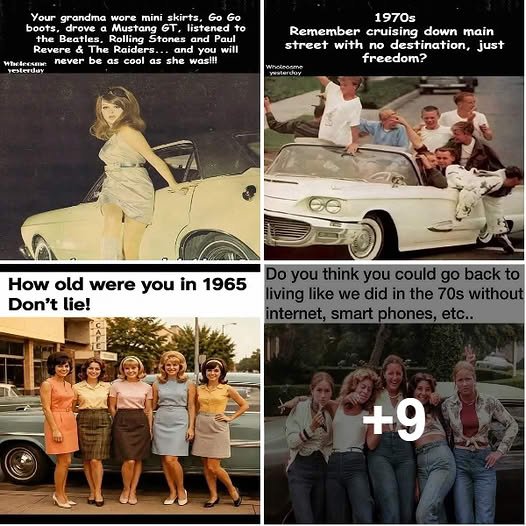
Many older women today spent their childhood in the 1950s, 1960s, 1970s, and 1980s — and what a journey it was. Each decade brought its own rules, its own fashions, and its own challenges. These women watched the world change right in front of their eyes: from one black-and-white TV in the living room to color screens, computers, and a pace of life nobody could have imagined when they were little girls. Their stories are funny, touching, and full of lessons that still matter today.
Growing Up in the 1950s: Rules, Routines, and Respect
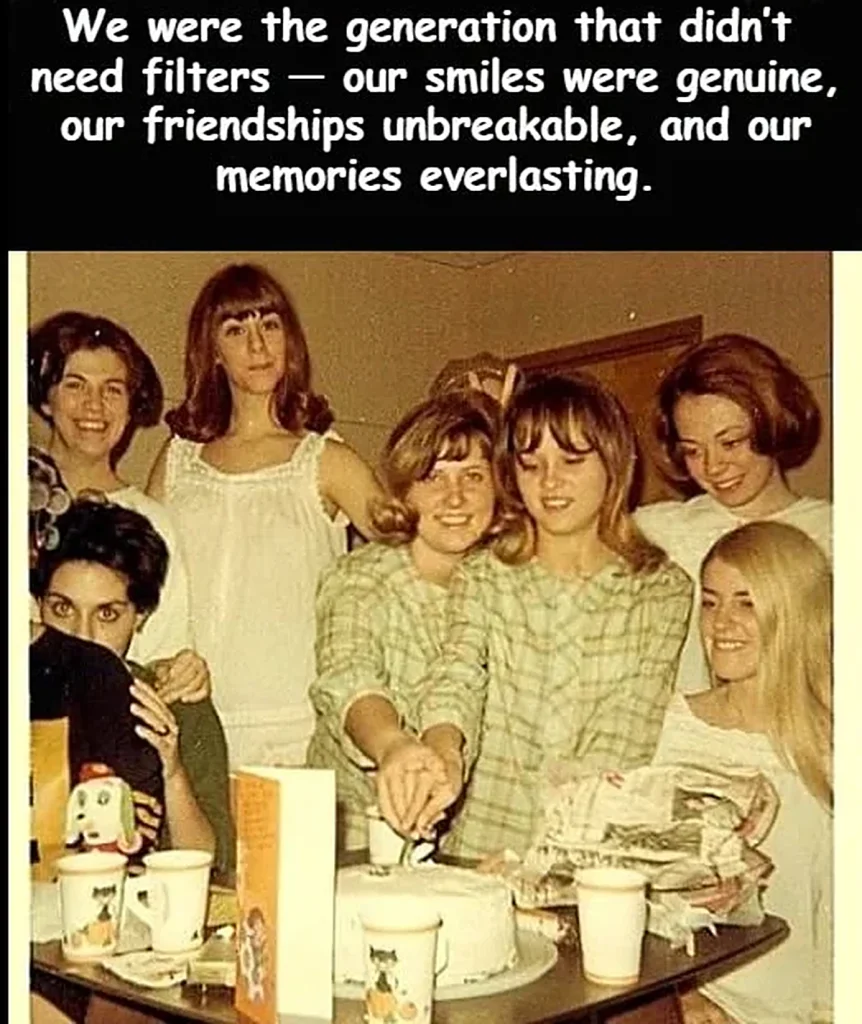
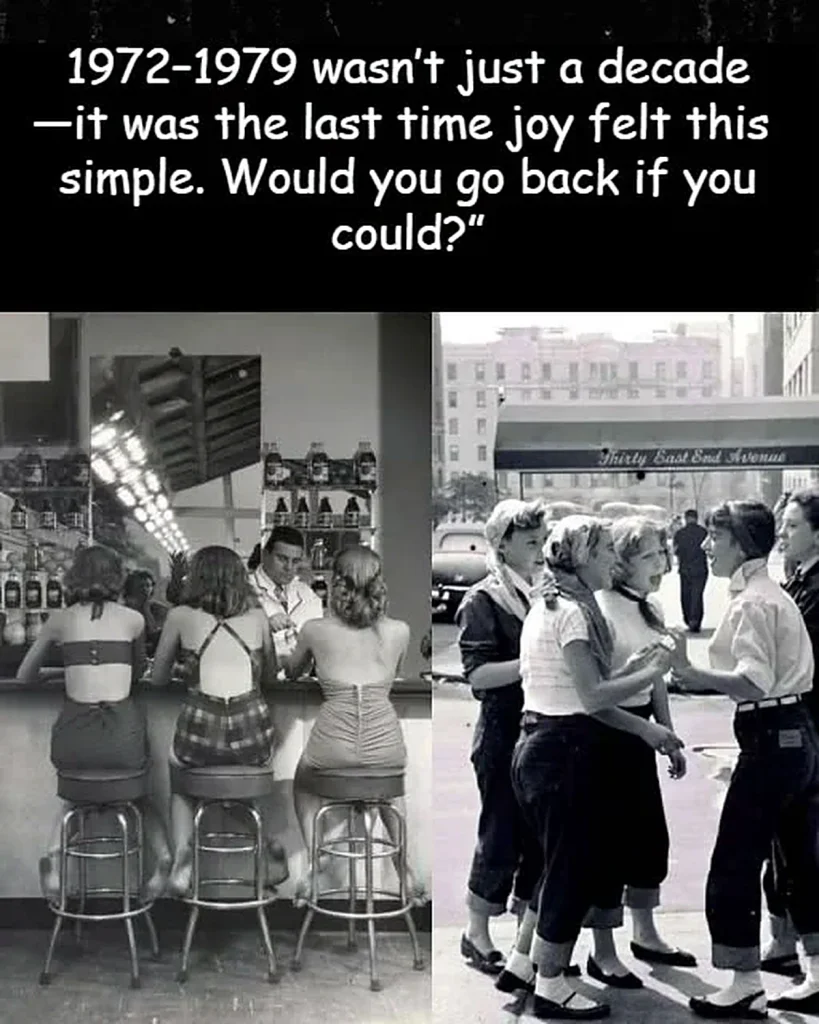
In the 1950s, most girls were raised with one clear goal in mind: to become good wives and homemakers. From a young age, they learned to cook, clean, sew, and care for children. Helping mother in the kitchen was not a choice — it was simply part of growing up.
School life was strict. Dress codes were taken seriously, manners were expected at all times, and children addressed adults with complete respect. There was usually one television in the house, and the whole family gathered around it together. Evenings were filled with radio programs, music, and long conversations — because there was nothing else competing for attention.
Growing Up in the 1960s: A Generation Starts Asking Questions
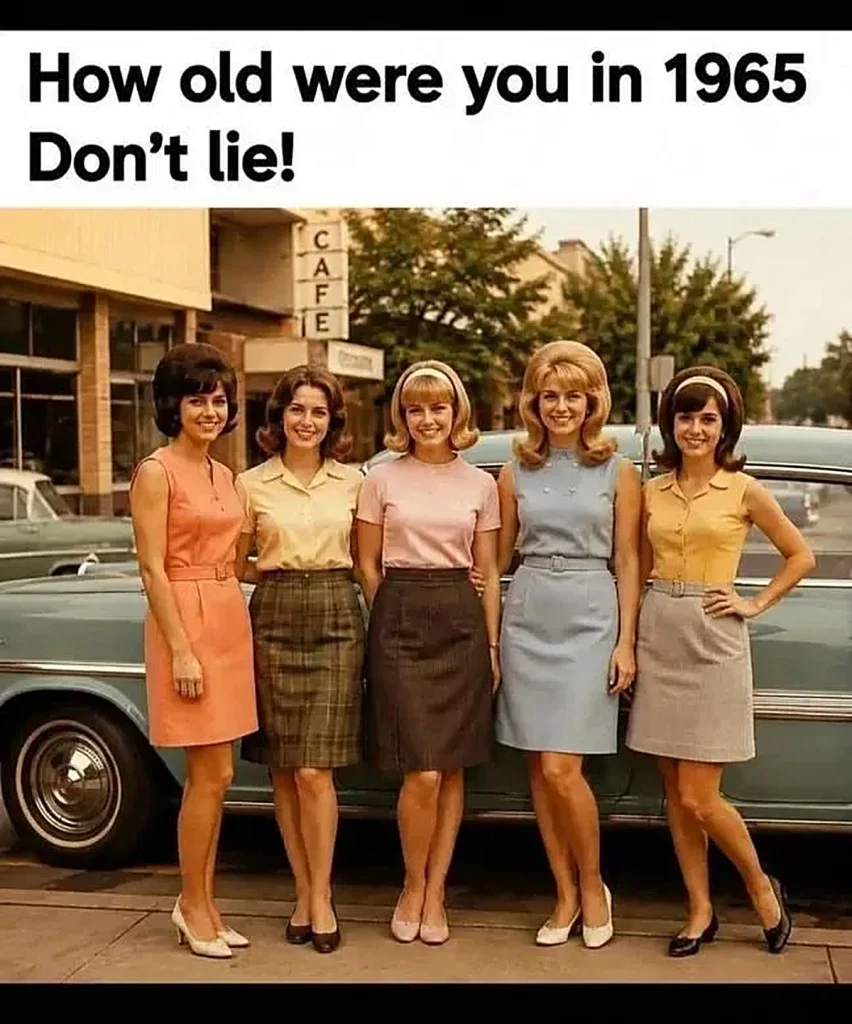
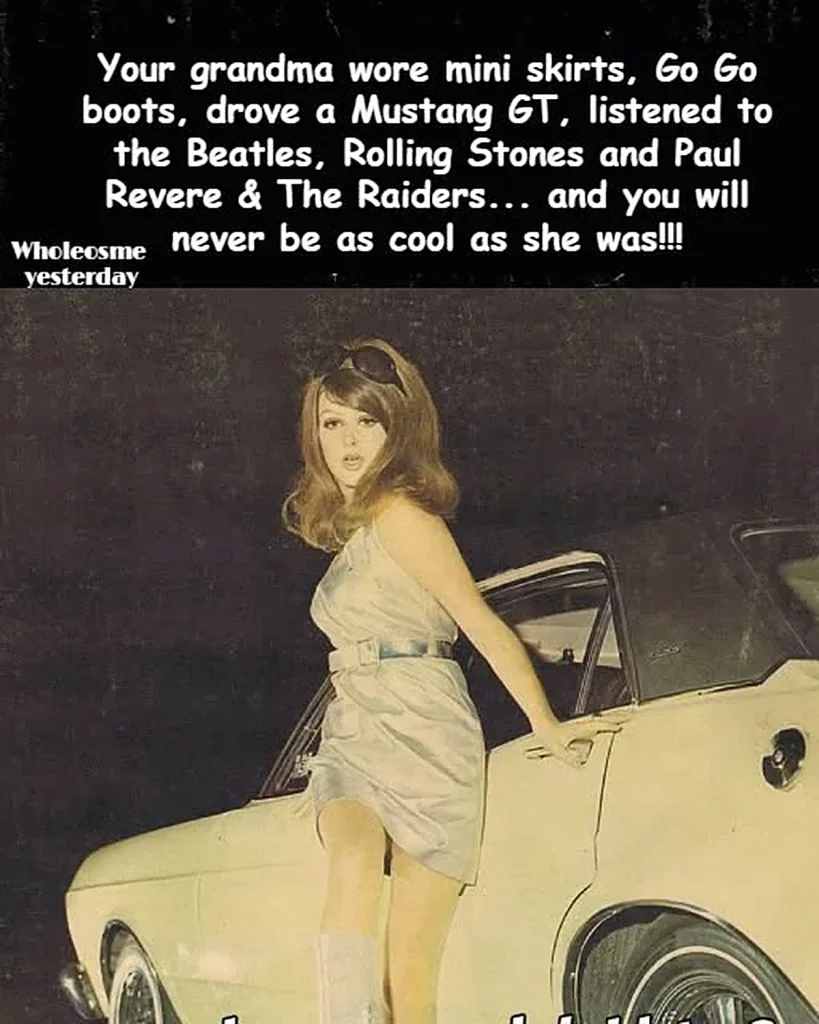
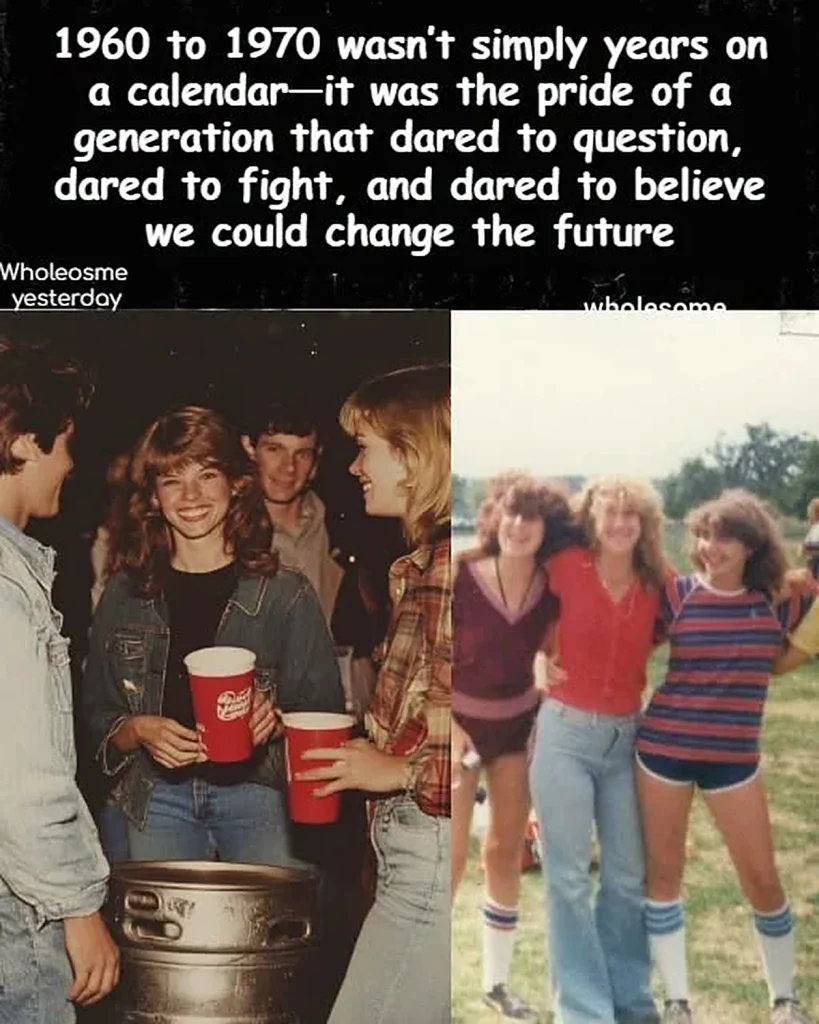
The 1960s arrived with new ideas and a new energy. Young women began thinking seriously about freedom, education, and the right to work. Through television, music, and the news, they could see the world changing — and they wanted to be part of that change.
This was the decade when many girls started asking “why?” Why can’t I study further? Why can’t I choose my own career? The questions were not always welcomed at home, but they marked the beginning of a powerful shift. Equal rights and equal opportunities moved from whispers to real conversations.
Growing Up in the 1970s: College, Careers, and Confidence
By the 1970s, more women were entering colleges and workplaces than ever before. They wanted better lives for themselves and better futures for their families — and they were willing to work hard for both.
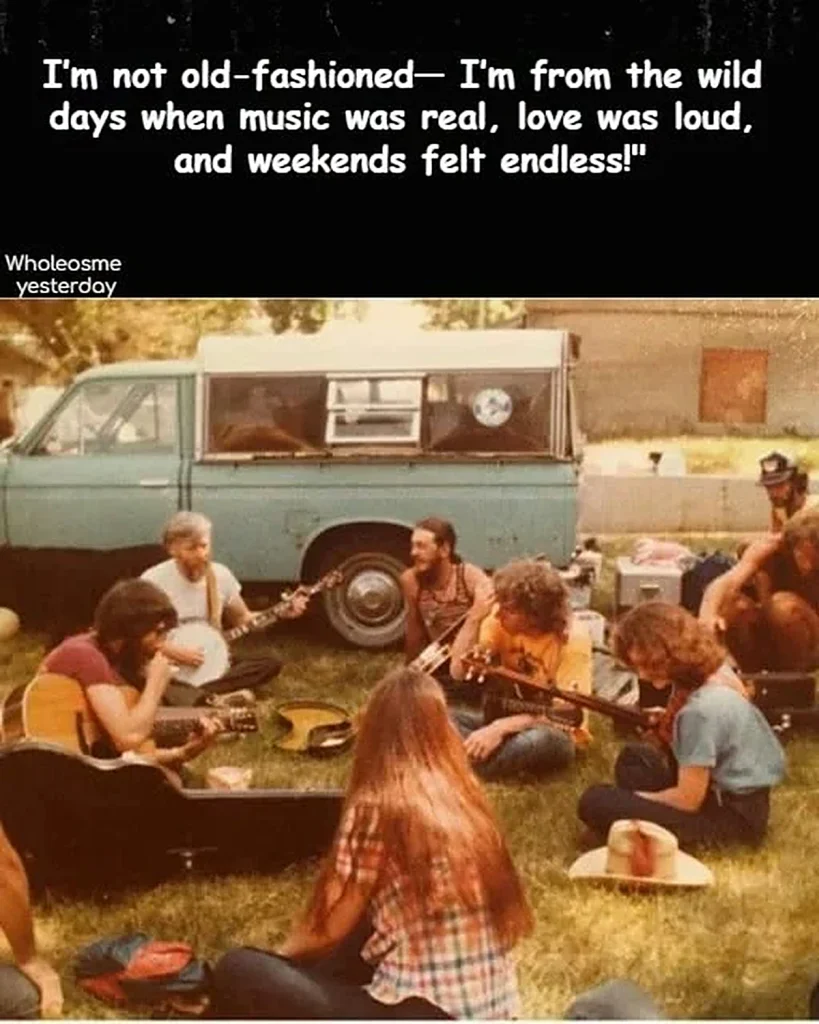
Fashion changed, music changed, and homes changed with them. Women learned to manage jobs, marriages, motherhood, and money all at the same time. It was exhausting, and nobody pretended otherwise. But it also made them capable, independent, and quietly proud of everything they could handle.
Growing Up in the 1980s: Faster Life, New Technology
The 1980s sped everything up. New machines appeared at work, jobs kept changing, and women had to adapt quickly or be left behind. Technology entered daily life in a way no previous decade had seen.
Family life demanded just as much energy as ever. A full-time job on top of a full household left little time to rest, yet these women kept everything running — the home, the children, the budget, and often the emotional heart of the whole family too.
#1

#2

#3
#4

#5
#6
#7
#8

What Those Years Taught Them
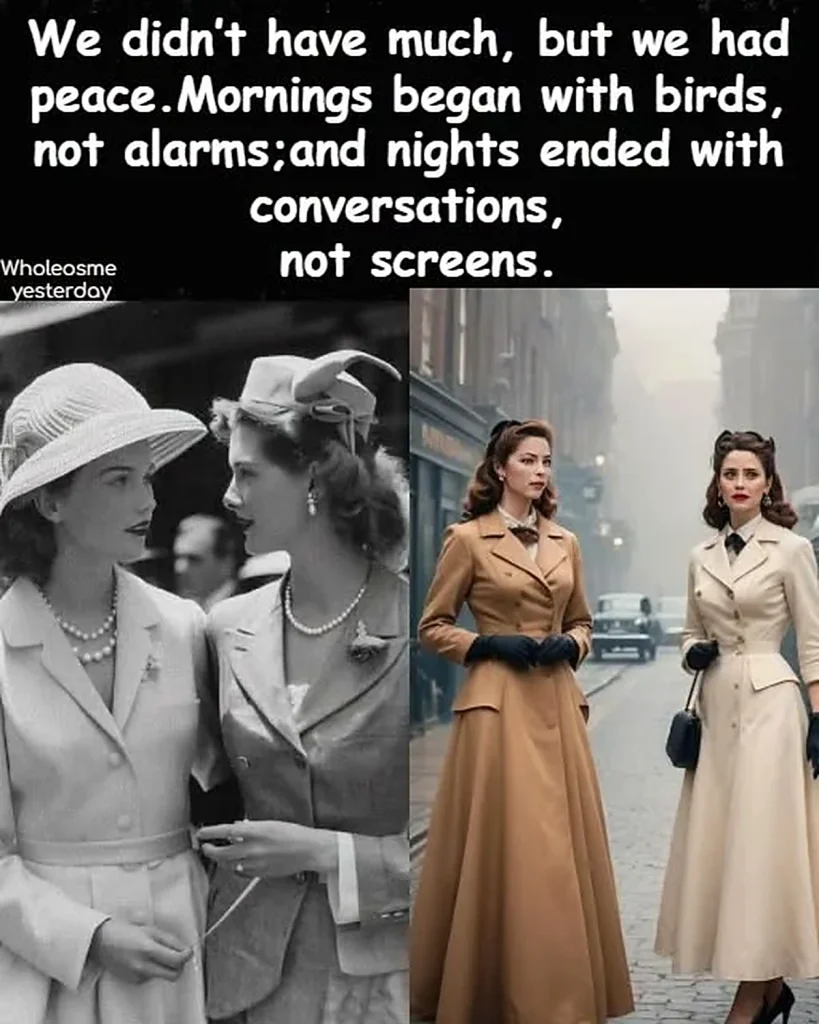
Life in those decades offered no shortcuts. You waited for letters to arrive. You waited your turn for the telephone. If something broke, you repaired it instead of replacing it. Money was saved carefully, and nothing was wasted without a good reason.
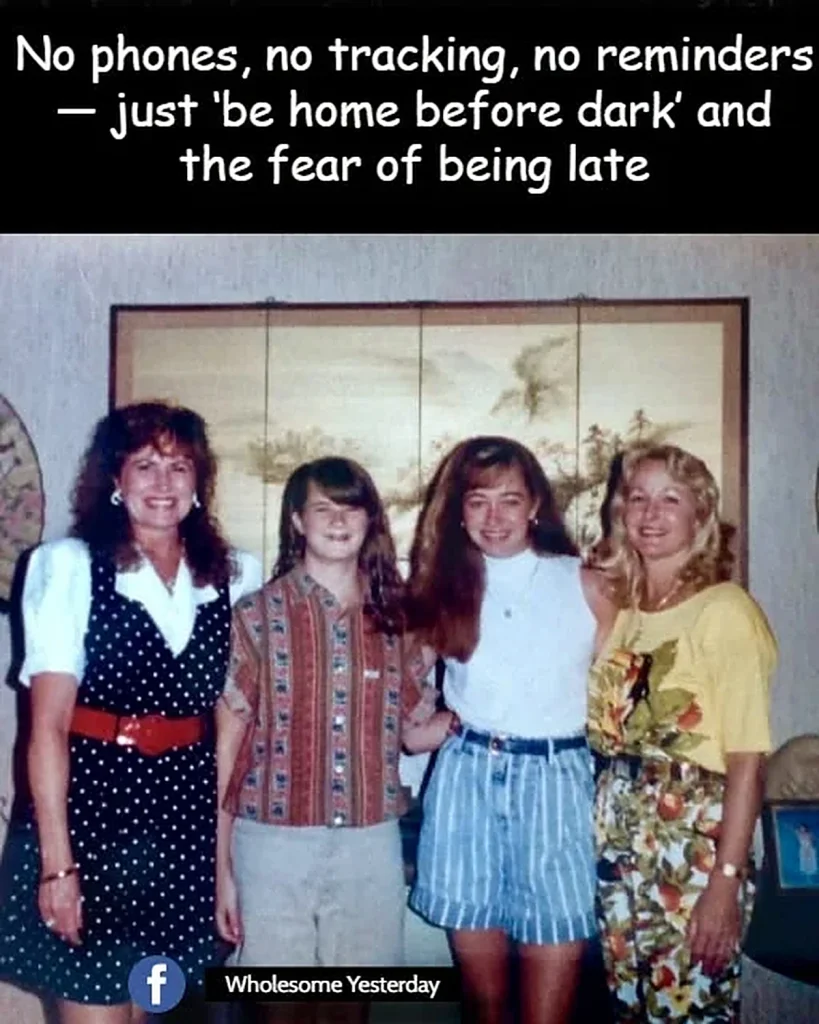
Those habits never left them. Patience, gratitude, and resourcefulness became part of who they are. Many elderly women today still remember a world where conversations happened face to face — family dinners where everyone was present, neighborhood shops where everyone knew your name, school events, and long afternoons spent playing outside until dark.
#9
#10
#11
#12

#13

#14

#15
#16
Why These Memories Matter Today
The women who grew up in the 50s, 60s, 70s, and 80s carry a treasure of memories — and hard-earned wisdom. They helped shape homes, workplaces, and communities, often without recognition, and always without giving up.
They are a living bridge between generations. Their experiences show younger people how much everyday life, dreams, and expectations have transformed over the years — and how much strength it took to live through that transformation. When an older woman tells you a story from her childhood, listen closely. You are not just hearing about the past. You are hearing how the present was built.
#17

#18

#19

#20