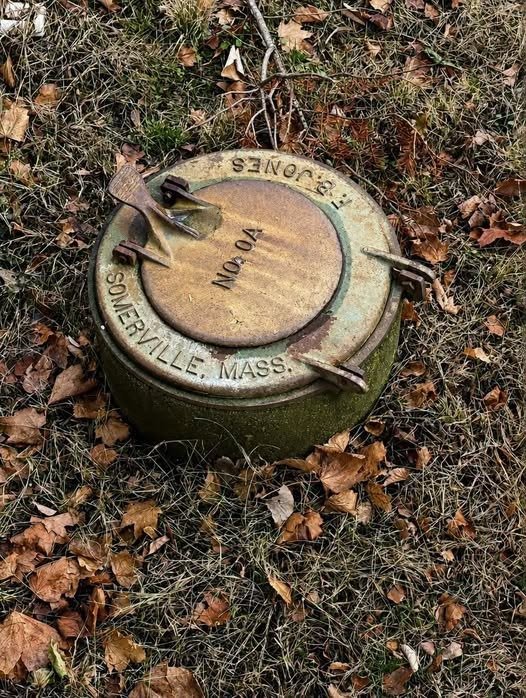
However, over time, they became obsolete. Moisture caused rust and structural damage, rainwater collected in the wells, and freezing winters made them unreliable. As cities modernized waste collection, lightweight curbside bins replaced them entirely by the 1970s.
Most underground cans were abandoned, filled in, or paved over, slowly disappearing from everyday awareness. Today, finding one is rare and feels like uncovering a small piece of forgotten infrastructure hidden beneath a normal suburban lawn.
Some homeowners who rediscover them now repurpose the structures creatively—as garden planters, hidden coolers, or decorative yard features—turning old utility relics into something useful again.
These buried cans are quiet reminders that everyday life once relied on very different systems, and that even ordinary backyards can hold traces of how people solved practical problems in the past.However, over time, they became obsolete. Moisture caused rust and structural damage, rainwater collected in the wells, and freezing winters made them unreliable. As cities modernized waste collection, lightweight curbside bins replaced them entirely by the 1970s.
Most underground cans were abandoned, filled in, or paved over, slowly disappearing from everyday awareness. Today, finding one is rare and feels like uncovering a small piece of forgotten infrastructure hidden beneath a normal suburban lawn.
Some homeowners who rediscover them now repurpose the structures creatively—as garden planters, hidden coolers, or decorative yard features—turning old utility relics into something useful again.
These buried cans are quiet reminders that everyday life once relied on very different systems, and that even ordinary backyards can hold traces of how people solved practical problems in the past.